
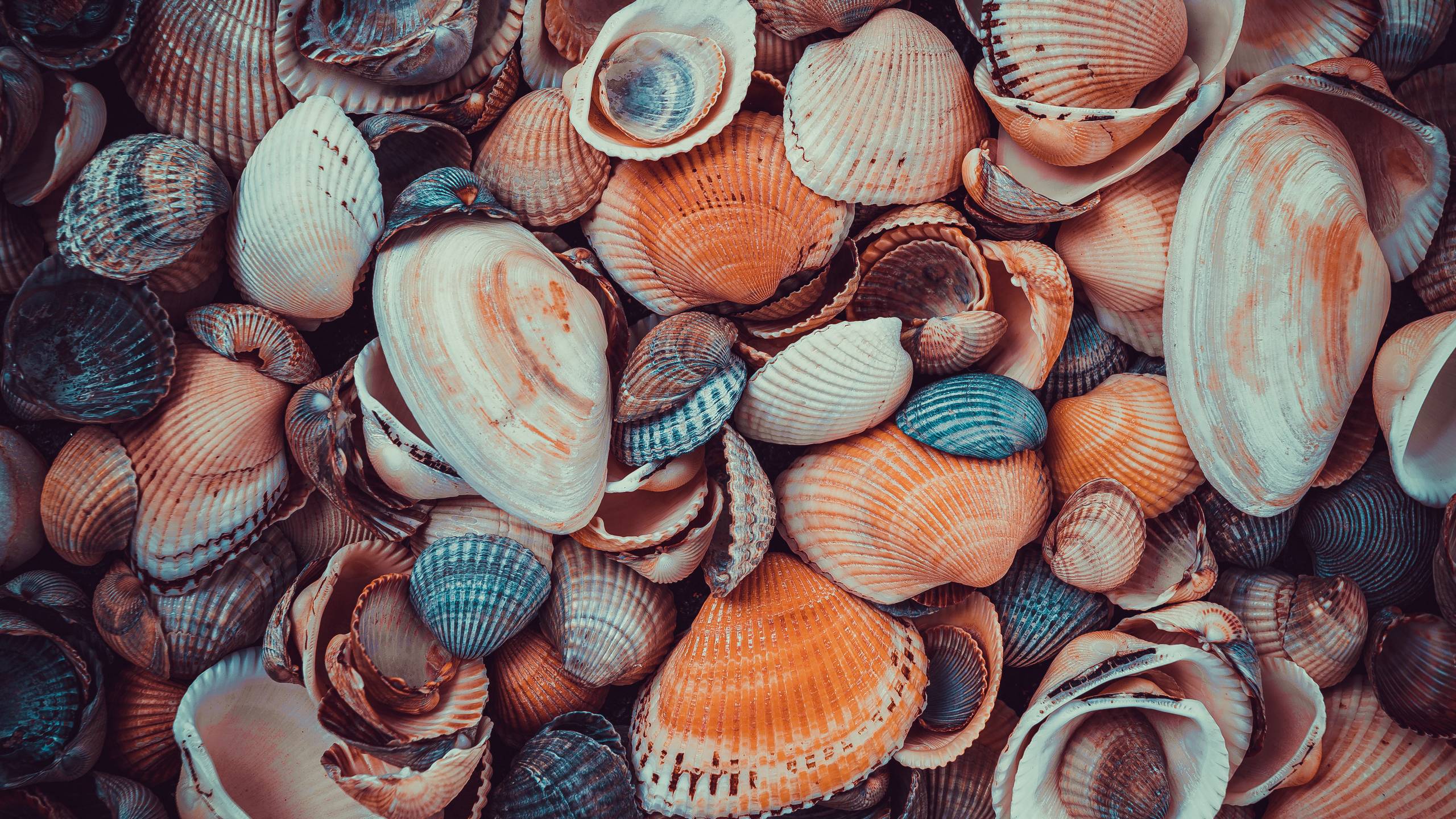
Learning shell panel design is a process that takes time. It requires patience, practice, and persistence. Here are some steps you can follow to improve your skills: Start with the basics: Understand the fundamental principles of shell panel design, including the different types of shells, materials, and manufacturing processes.
With increasing expertise, attention is then drawn to deliberate layering and three-dimensional design, where the resulting depth of a panel is of equal interest to its design. It is a matter of practice to learn to create subtle dimension with judiciously selected, larger shells that, depending on lighting, will create shadows and highlights in a finished panel. Advanced shell artists often incorporate other coastal materials such as small stones, pieces of sea glass, or driftwood into their designs to achieve interest and narrative. These items require more careful use because they can distract from the beauty of the shells. By experimentation, an artist learns how to achieve a sense of completion in a panel, to sense intuitively that one more shell would create clutter.
Greater expertise also yields greater awareness of the shells, bases, and finishes used in the panels. For example, some shells require hot water or peroxide to clean off debris, while others will become damaged from such treatments. The shells also react differently to adhesives, sealants, and finishes. Some will lose their luster, and others will retain it. Additional options include different types of bases, including wood, canvas, or even driftwood. As these details are considered, a maker may notice a particular style or style emerging in the panels. They might prefer a simple and clean style or an organic one that is more full and busy. Some might also prefer geometric patterns to other patterns. This is the beauty of shell panels; they can be crafted to suit any style and decor, if the artist has the time, patience, and practice.
Aside from the panels that emerge from long-term commitment, the benefits of such perseverance shine in the autonomy of artistic style, where confidence emerges in the details of each piece, without the need for approval from others. Generally, more of the panels completed at this stage of practice have a more nuanced, self-assured, and contemplative quality, mirroring the panelist’s personal progress. Often, the patience, discipline, and attention to detail involved in crafting more intricate designs flows over into other aspects of life. Of course, the journey continues on, with limitless possibilities remaining in a craft that’s, after all, based on a beach pebble.
Lastly, the key to successfully making shell panels is not to be perfect, but to constantly enjoy beauty, nature, and to learn what your taste is and what you like in the way of expression. With every panel you make, you will have learned something new about the tides and something new about yourself. And there’s always a new combination of shells that you haven’t tried before, so you never need to quit. If you don’t, your panels will be a testament to your patient efforts over the years. They will show others that it is not important to have a great natural ability to accomplish something as long as you have a great willingness to try.